In today’s fast-paced digital economy, businesses are no longer competing solely on product quality or price they are competing on customer experience. Companies that succeed are those that understand their customers, respond quickly to their needs, and build long-term relationships.
This is where Customer Relationship Management (CRM) comes into play.
CRM is more than just software; it is a strategic approach that helps businesses manage interactions, improve customer satisfaction, and ultimately drive growth. Whether you are running a small business or managing a large organization, understanding CRM can significantly improve how you operate.
This guide will walk you through everything you need to know about CRM, including its meaning, benefits, features, types, and real-world applications.
What is Customer Relationship Management (CRM)?
Customer Relationship Management (CRM) refers to the combination of strategies, technologies, and practices that businesses use to manage and analyze customer interactions throughout the entire lifecycle.
The main goal of CRM is simple:
-
Improve customer relationships
-
Increase customer retention
-
Drive sales growth
Instead of relying on scattered spreadsheets or manual tracking, CRM systems centralize all customer data into one platform. This allows businesses to gain a clearer understanding of customer behavior and make informed decisions.
Why CRM is Important in Today’s Business Environment
Customer expectations have changed dramatically. Individuals anticipate quick replies, customized interactions, and smooth experiences through various platforms.
Without a proper system in place, managing these expectations becomes extremely difficult.
Key Reasons Why CRM Matters
-
Centralized Data Management
All customer information is stored in one place, making it easier to access and manage. -
Improved Communication
Businesses can track emails, calls, and interactions more effectively. -
Better Customer Insights
Data analytics help understand customer preferences and behavior. -
Increased Efficiency
Automation reduces manual tasks and human errors. -
Stronger Customer Retention
Personalized experiences lead to higher loyalty.
CRM vs Traditional Customer Management
Before CRM systems became popular, many businesses relied on manual methods such as spreadsheets, notes, or disconnected tools.
Here is how CRM compares to traditional approaches:
| Aspect | Traditional Method | CRM Approach |
|---|---|---|
| Data Storage | Spreadsheets/manual | Centralized system |
| Customer Tracking | Difficult | Real-time tracking |
| Communication | Scattered | Unified & consistent |
| Reporting | Manual | Automated analytics |
| Scalability | Limited | Highly scalable |
As businesses grow, traditional methods quickly become inefficient. CRM provides the structure needed to scale operations effectively.
Key Features of a CRM System
A CRM system is designed to simplify and optimize how businesses interact with customers. While features may vary depending on the platform, most CRM systems include the following core functionalities:
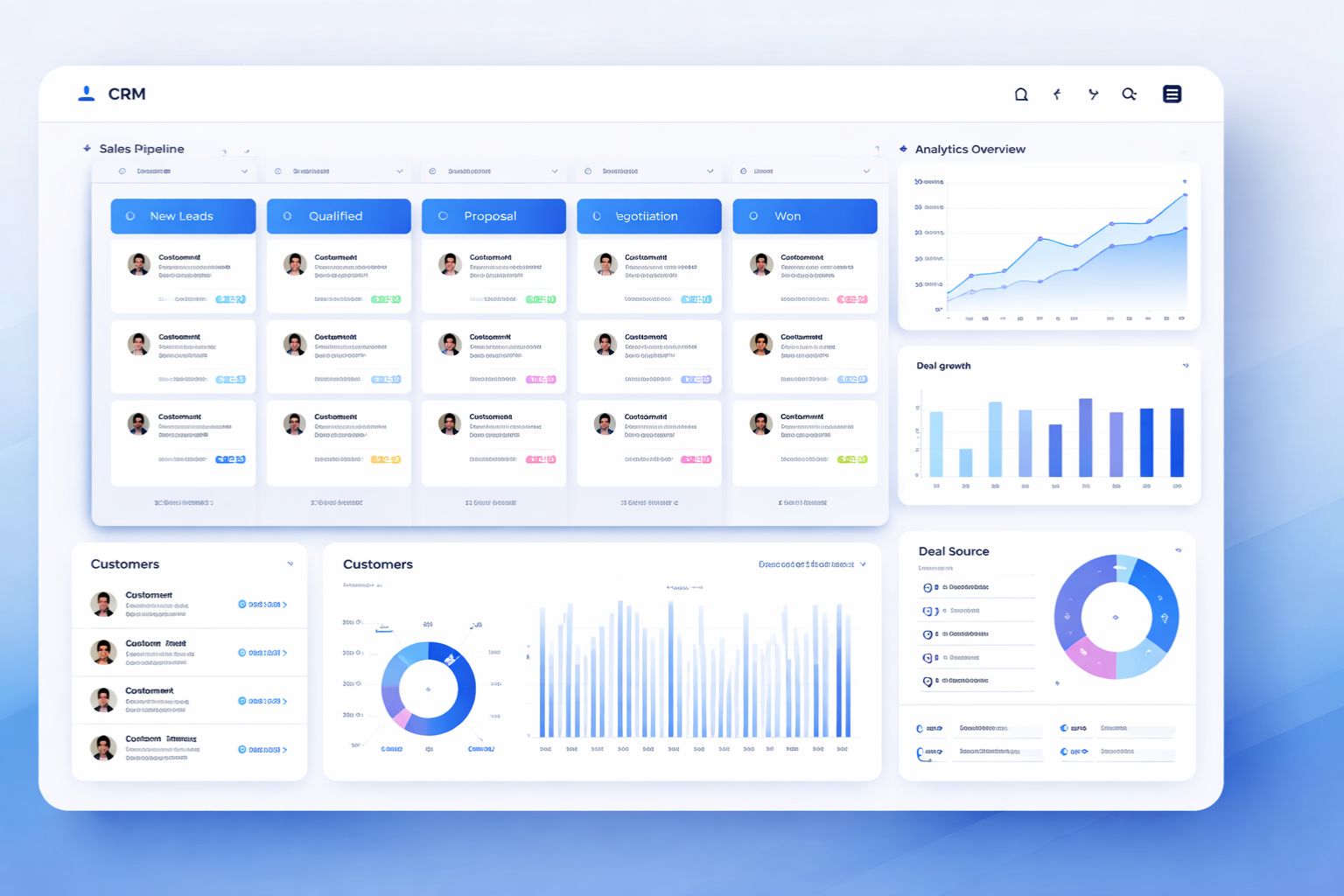
Core CRM Features
| Feature | Function |
|---|---|
| Contact Management | Store and organize customer information |
| Lead Management | Track and manage potential customers |
| Sales Pipeline | Monitor deal progress and stages |
| Automation | Reduce repetitive tasks |
| Reporting & Analytics | Provide insights for decision-making |
1. Contact Management
This feature allows businesses to store customer details such as names, emails, phone numbers, and interaction history. It ensures that all information is easily accessible.
2. Lead Management
CRM helps track potential customers (leads) from the first interaction to conversion. This improves the efficiency of sales teams.
3. Sales Pipeline
A visual representation of the sales process helps businesses track deals, identify bottlenecks, and forecast revenue.
4. Automation
Automation is one of the most valuable aspects of CRM. It can handle tasks such as:
-
Sending follow-up emails
-
Assigning leads
-
Updating records
-
Scheduling reminders
5. Reporting and Analytics
CRM systems provide data-driven insights that help businesses make better decisions and improve performance.
Types of CRM Systems
Not all CRM systems serve the same purpose. They are generally divided into three main types:
CRM Types Comparison
| Type | Focus Area | Best For |
|---|---|---|
| Operational CRM | Automation & processes | Sales and marketing teams |
| Analytical CRM | Data analysis | Strategic planning |
| Collaborative CRM | Team communication | Customer support teams |
Operational CRM
This type focuses on automating business processes such as sales, marketing, and customer service. It helps improve efficiency and reduce manual work.
Analytical CRM
Analytical CRM focuses on data analysis. It helps businesses understand customer behavior and make strategic decisions based on insights.
Collaborative CRM
Collaborative CRM improves communication between different teams, ensuring that everyone has access to the same customer information.
Benefits of Using CRM
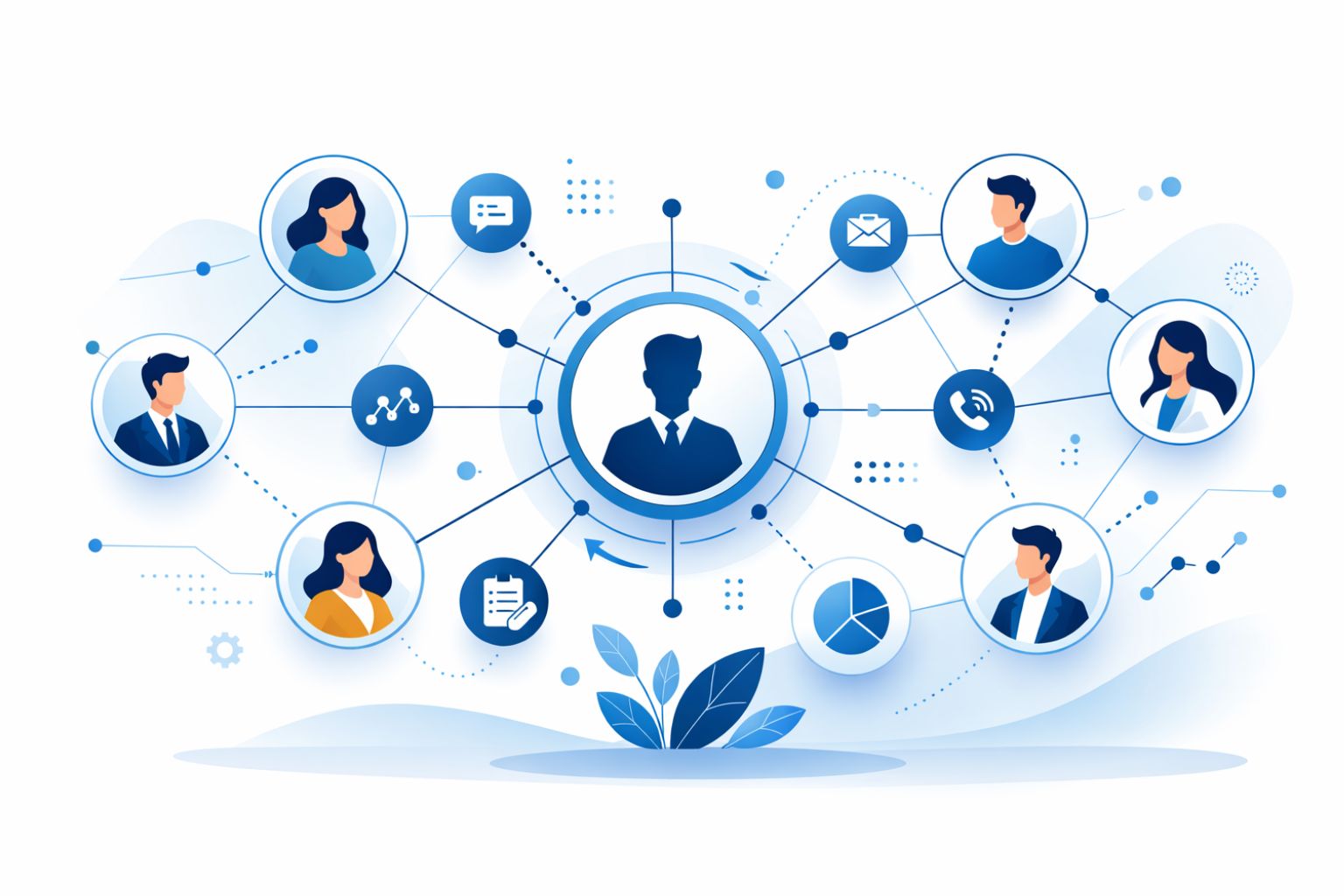
Implementing a CRM system can have a significant impact on business performance.
1. Increased Sales
By tracking leads and optimizing the sales process, businesses can improve conversion rates and close deals faster.
2. Improved Customer Satisfaction
CRM allows businesses to provide personalized experiences, which leads to happier customers.
3. Better Team Collaboration
All departments can access the same data, reducing miscommunication and improving coordination.
4. Enhanced Productivity
Automation reduces repetitive tasks, allowing teams to focus on more important work.
5. Data-Driven Decision Making
With accurate reports and analytics, businesses can make informed decisions instead of relying on guesswork.
Who Should Use CRM?
CRM is not limited to large corporations. It can be beneficial for businesses of all sizes and industries.
CRM Use Cases by Industry
| Industry | CRM Usage Example |
|---|---|
| E-commerce | Track customer behavior and repeat purchases |
| Real Estate | Manage leads and property interactions |
| SaaS | Monitor user lifecycle and engagement |
| Healthcare | Manage patient communication |
| Education | Track student engagement |
Common Challenges of CRM Implementation
While CRM offers many benefits, businesses may face challenges when implementing it.
1. Initial Setup Complexity
Setting up a CRM system can require time and planning, especially for large organizations.
2. User Adoption
Employees may resist using new systems if they are not properly trained.
3. Data Migration
Moving data from old systems to a CRM platform can be complicated.
4. Cost Considerations
Some CRM solutions may require investment, especially for advanced features.
How to Overcome These Challenges
-
Provide proper training for staff
-
Start with essential features first
-
Choose a user-friendly system
-
Plan data migration carefully
Best Practices for Using CRM Effectively
To maximize the benefits of CRM, businesses should follow these best practices:
1. Keep Data Clean and Updated
Accurate data ensures better decision-making and customer insights.
2. Use Automation Wisely
Automate repetitive tasks but maintain a personal touch in customer interactions.
3. Align CRM with Business Goals
Make sure your CRM strategy supports your overall business objectives.
4. Train Your Team
Ensure all team members understand how to use the system effectively.
5. Monitor and Optimize
Regularly review performance and make improvements where necessary.
The Future of CRM
CRM continues to evolve with new technologies such as:
-
Artificial Intelligence (AI)
-
Machine Learning
-
Predictive Analytics
-
Automation tools
These advancements allow businesses to:
-
Predict customer behavior
-
Personalize interactions at scale
-
Improve decision-making
In the future, CRM will become even more intelligent and essential for business success.
Conclusion
Customer Relationship Management (CRM) is a powerful approach that helps businesses build stronger relationships, improve efficiency, and drive growth.
In a world where customer experience is a key differentiator, CRM is no longer optional it is a necessity.
Whether you are just starting out or looking to optimize your operations, understanding CRM is the first step toward creating better customer experiences and achieving long-term success.
If you’re interested in learning more, you can explore different CRM tools, compare features, and find the best solution that fits your business needs.